Workplace Hygiene Hazards You Can Prevent
With growing concerns around another potential pandemic because of the hantavirus infecting people with early stage paranoia, workplace hygiene has once again become a serious priority. Office managers across businesses both large and small must take a more proactive role in maintaining clean, safe environments.
A large number in the workforce or a smaller office space means hygiene is no longer something that can be managed casually or inconsistently. Shared workspaces, high-touch surfaces, and communal areas all create opportunities for germs and health hazards to spread quickly. While it can be exhausting to personally maintain and monitor consistently high standards, neglect is not an option. The health of employees and the stability of the business depends on it.
Below are common workplace hygiene hazards that office managers can actively prevent.
1. Poor Hand Hygiene
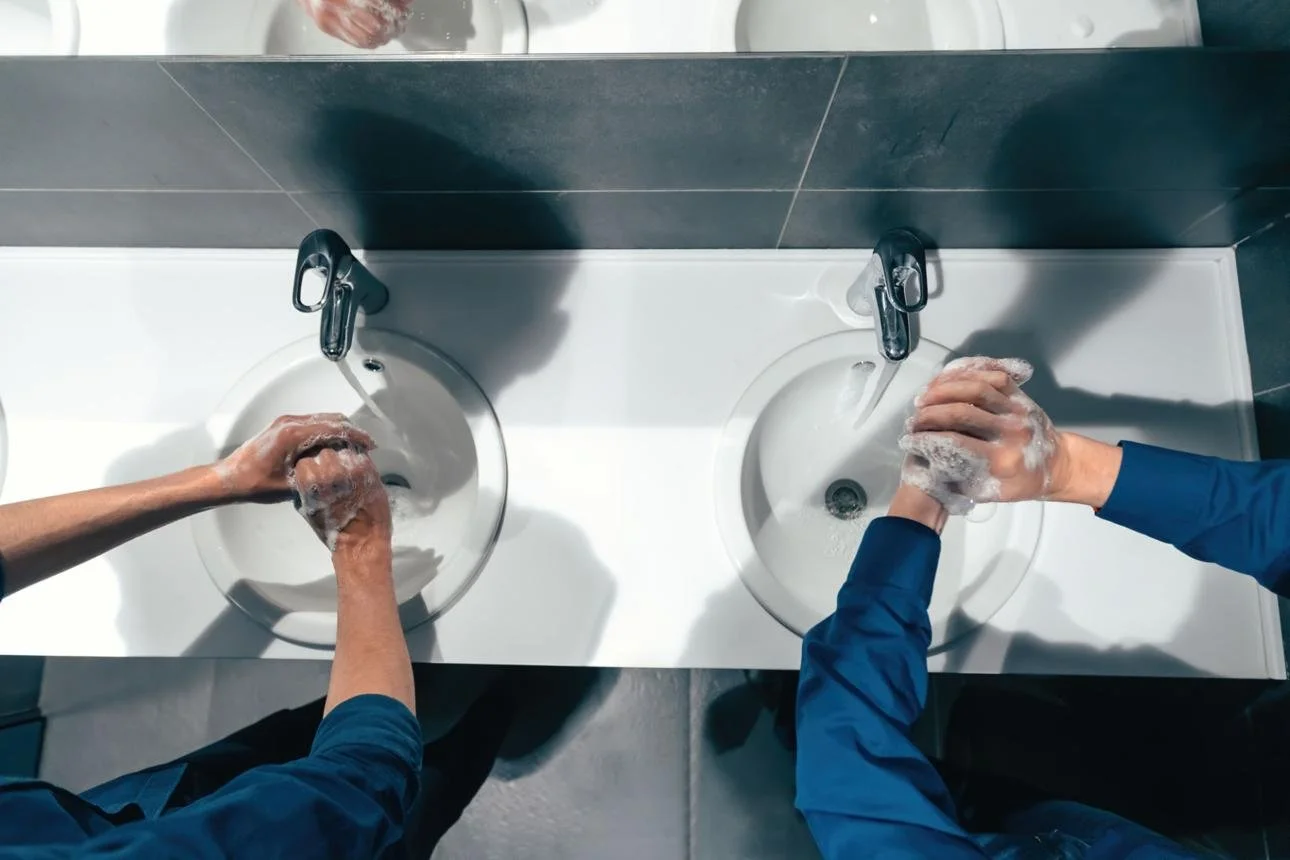
One of the most common causes of illness in offices is also one of the easiest to prevent. Inadequate handwashing or lack of sanitising stations increases the spread of germs throughout the workplace.
Prevention: Ensure hand sanitiser is available in key areas, maintain fully stocked restrooms, and encourage regular hand hygiene through reminders or signage.
2. Dirty Shared Equipment
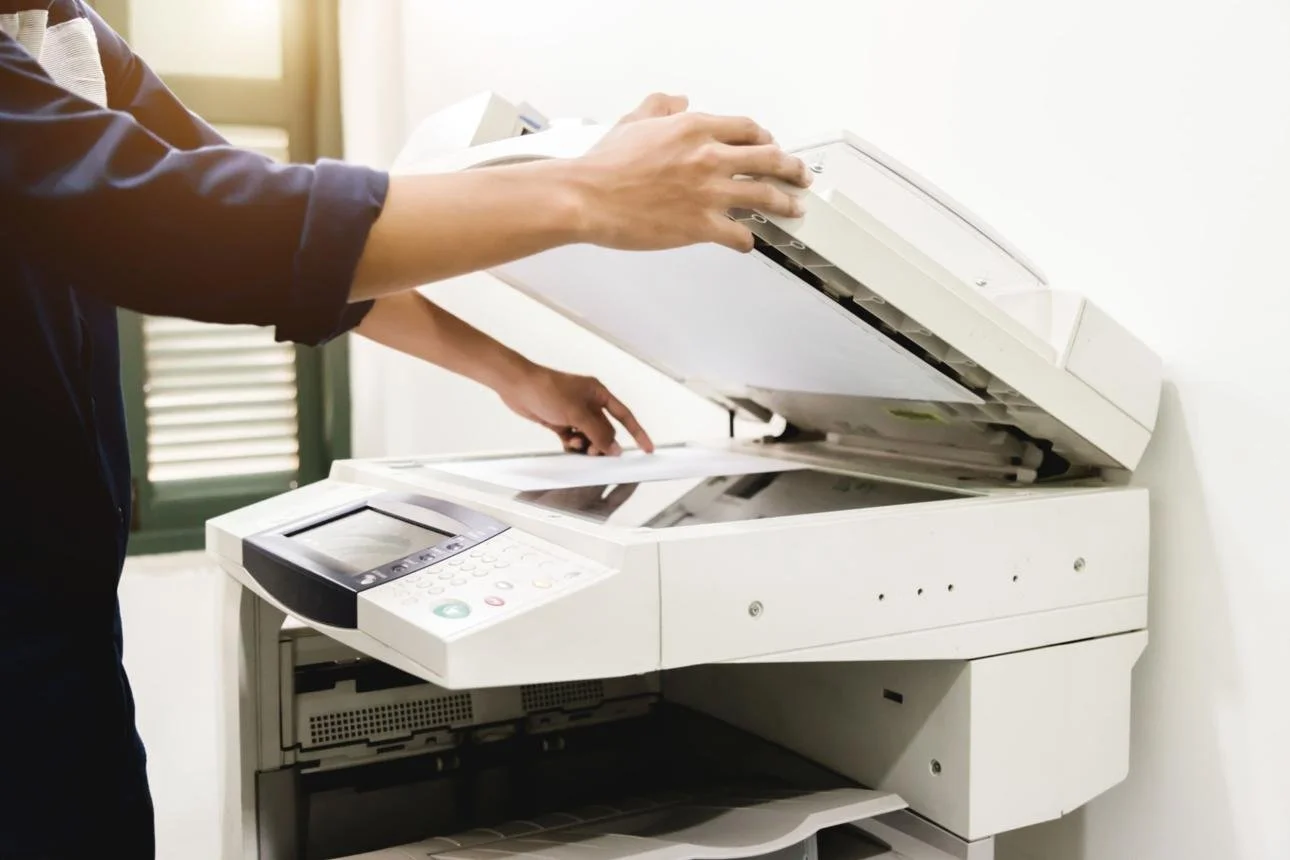
Keyboards, phones, printers, and door handles are frequently touched but rarely cleaned. Over time, they become hotspots for bacteria transfer between employees.
Prevention: Introduce regular disinfecting routines and provide cleaning wipes so staff can sanitise shared equipment before and after use.
3. Poor Waste Management
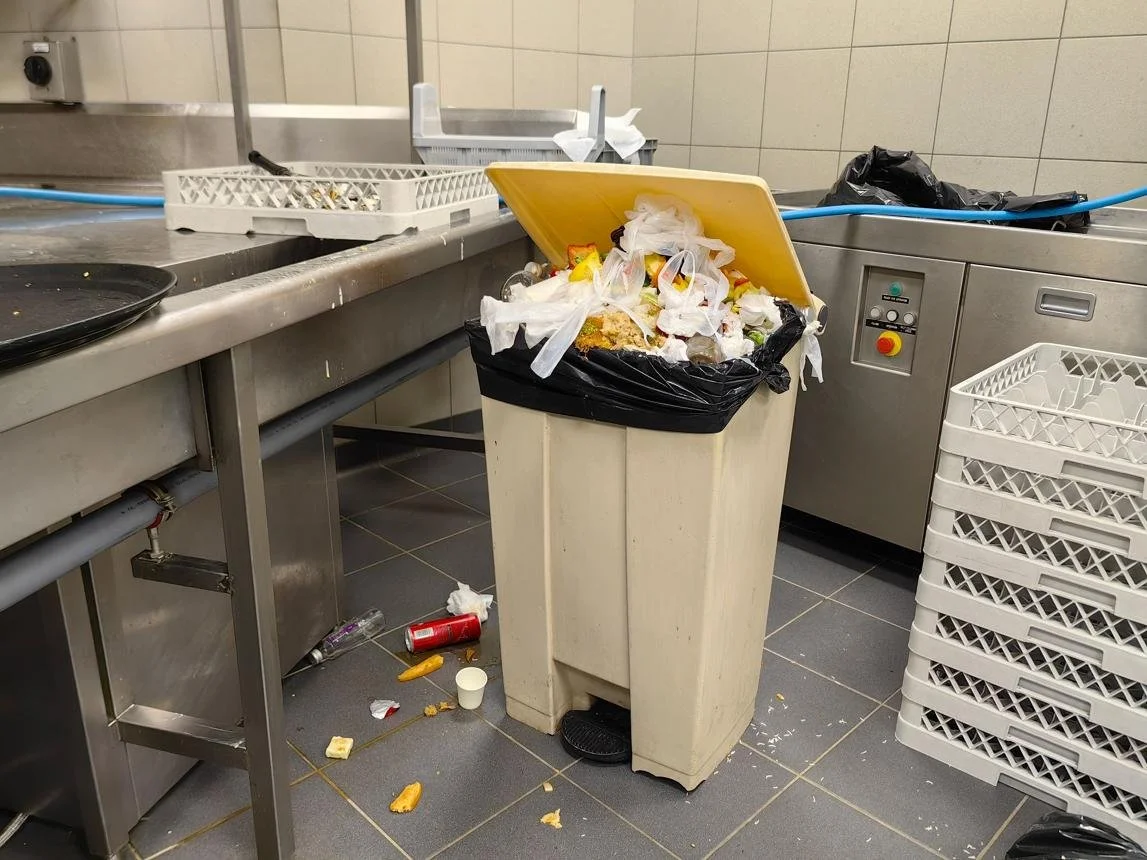
Overflowing bins, infrequent disposal, and poorly managed waste areas can quickly lead to unpleasant odours, bacterial growth, and even pest issues.
Prevention: Implement strict daily waste disposal schedules and ensure clearly labelled bins are placed throughout the office.
4. Inadequate Cleaning of Office Spaces

Dust buildup, neglected meeting rooms, and unclean communal areas can negatively impact both hygiene and employee wellbeing.
Prevention: Establish a structured cleaning schedule that covers high-traffic and low-visibility areas consistently, not just surface-level cleaning.
The Risks of Poor Office Hygiene
Hygiene hazards present a high risk to health. Illnesses can be easily passed through bacteria, as 2020 showed with devastating clarity. General health issues such as asthma or other respiratory problems are exacerbated, and ultimately, productivity is impacted. The only way to prevent the build-up of bacteria is regular and thorough cleaning, and it needs to be done properly, not just a cursory wipe-round with a week-old wet cloth.
You need a company that knows how to efficiently reduce the risks, which is why we recommend… ourselves! Contact R3FM today to arrange cost-effective regular professional office cleaning that’ll keep your office bacteria-free.