

The Bigger They Bite, the Harder They Fall: control pest infestation before its too late
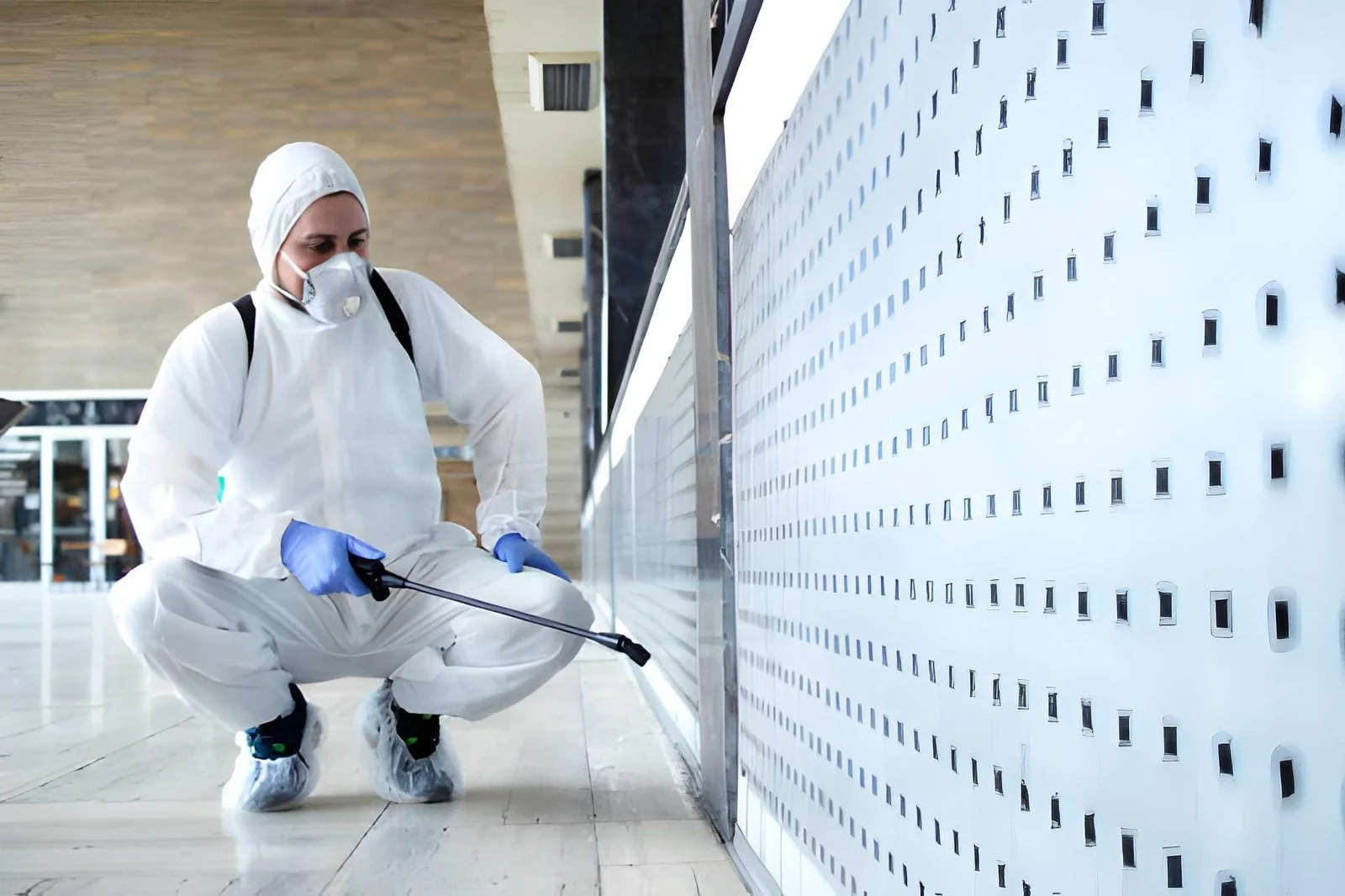
Managing pests is one of the hardest parts of commercial cleaning. A typical workplace has countless corners, rooms, cubicles and hidden edges where pests can create their new, unnoticed homes. From kitchen cupboards to ceiling voids, offices provide warmth, food sources and shelter which becomes the perfect environment for infestations to grow unnoticed.
Pest control is the process of removing unwanted insects and animals from buildings. Commercial pest control, however, is more complex because requires eliminating pests while minimising disruption to staff day-to-day operations.
But these unwanted critters can chew through wires and important documents, leave droppings across desks and carpets, contaminate food areas and perhaps most unsettling of all ,make noise inside walls or ceilings where you cannot see them.
In this article we will cover how to identify and manage the most common pests found in UK workplaces, so your team can thrive without those pesky intruders.
Rats and Rodents
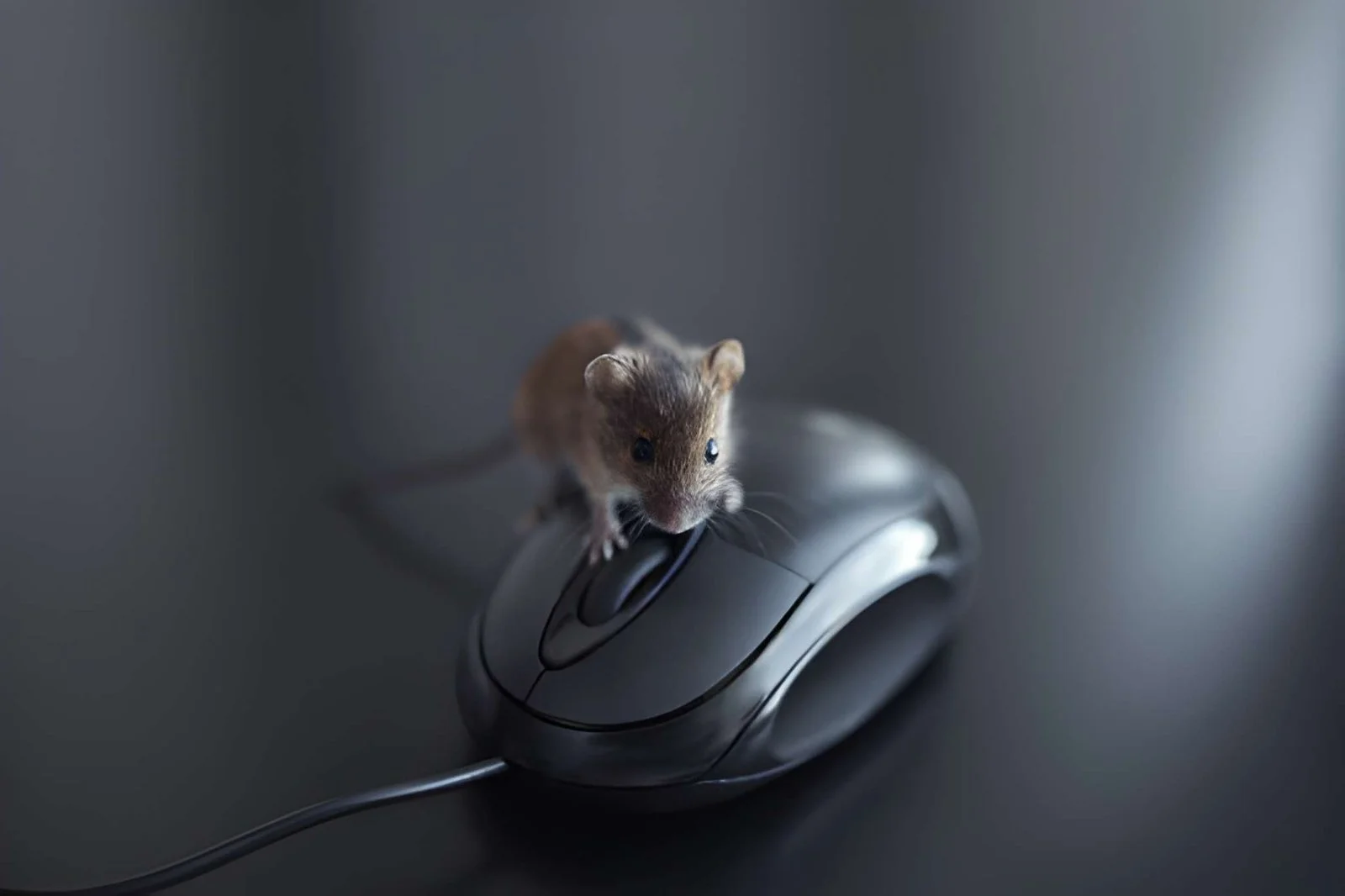
Rats are among the most common and disruptive pests in the UK. The constant squeaking, the sudden fast movement you slightly notice from the corner of your eye, can be deeply unsettling for staff.
A single rodent can reach up to 27 cm in body length, with a tail that may be just as long. Rats reproduce rapidly: a single female can produce 5–7 litters per year, each containing 6–12 young. Under the right conditions, a small infestation can grow into a serious problem within months causing major damage to health, property, and papers. Rats have extremely tough teeth and can chew through wood, plastic, insulations, and cable, which can lead to fire risks and expensive repairs. They are also carriers of diseases like Weil’s disease (spread through contact with rat urine), Salmonellosis which causes food poisoning, Rat-bite fever, and Hantavirus infections to name a few, that can cause harm to humans.
For businesses, especially restaurants and food businesses, a rat infestation can lead to product contamination and serious breaches of UK legislation, including:
The Food Safety Act 1990
The Food Hygiene Regulations 2013
The Health and Safety at Work Act 1974
In severe cases, environmental health officers can issue closure notices or large fines; your multi million-euro business closing due to rat infestation must be devastating.
Rats are also extremely intelligent and adaptable. They can squeeze through holes as small as 2 cm wide, roughly the size of a £1 coin, making even well-maintained buildings vulnerable.
Common Rat Species
Black Rats
The Black rat is slimmer and more agile than the brown rat. They are excellent climbers and often nest in roofs, lofts and high storage areas. They can spread diseases such as salmonella and leptospirosis.
Brown Rats
The Brown rat is the most common rat species in the UK. They are larger, heavier and prefer basements, drains and ground-level areas. Brown rats are strongly associated with Weil’s disease and food contamination.
How to get rid of rats
Businesses can reduce the risk of rat infestations by:
Sealing holes in walls and floors
Keeping bins sealed and emptied regularly
Storing food in secure containers
Removing clutter where rats can hide
However, if rats are already present, the infestation often requires professional commercial pest control to eliminate them safely and prevent their return.
Cockroaches
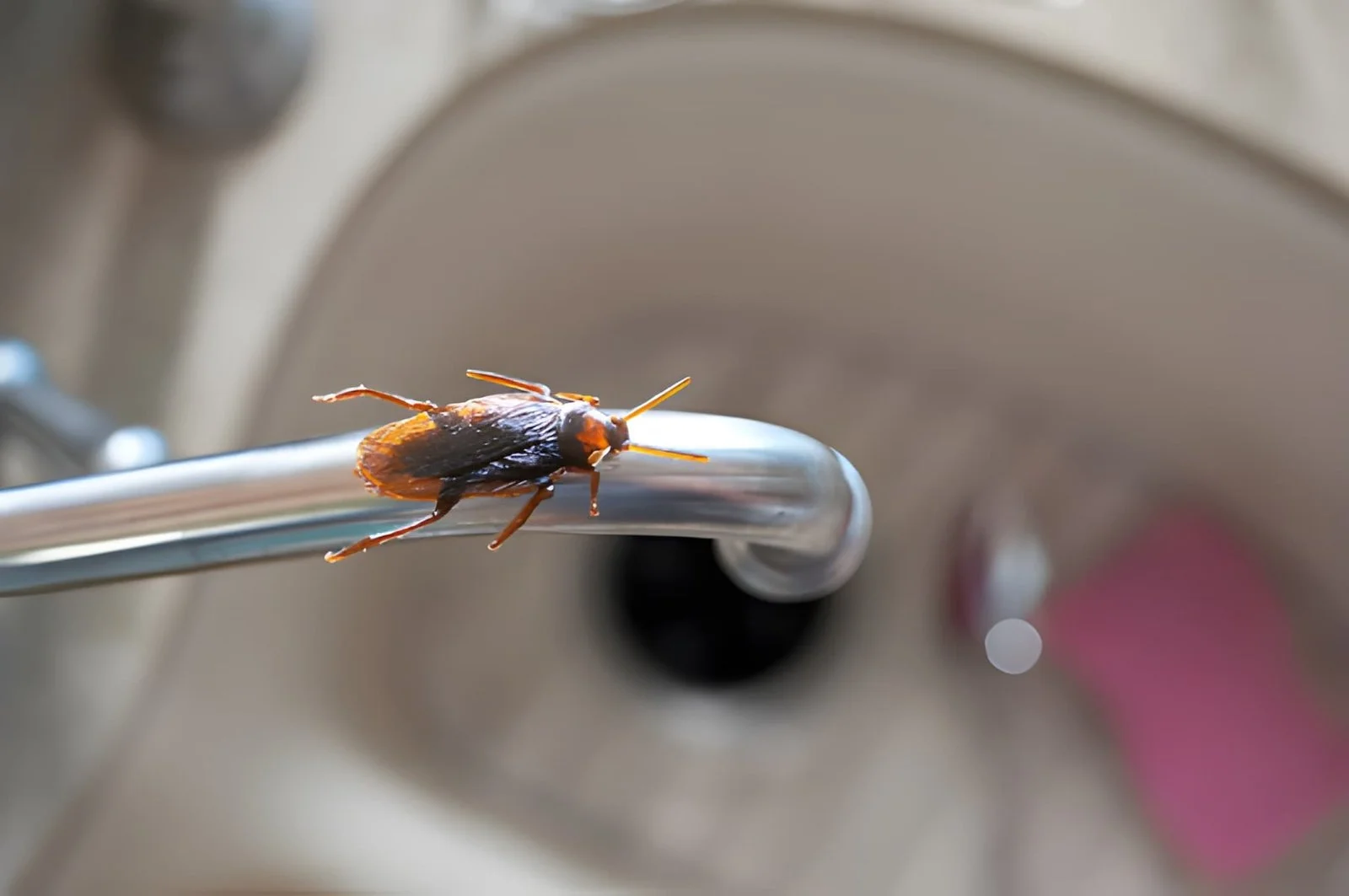
Cockroaches are another pest to watch for in commercial environments. Although less common than rats in the UK, they can spread quickly once established.
Some species found in British buildings include the German cockroach, the Oriental cockroach, and occasionally the American cockroach.
Cockroaches can grow up to 6 cm long depending on the species and reproduce rapidly. A single female cockroach can produce 30–40 eggs at a time, allowing populations to grow quickly in warm indoor environments.
Cockroaches are serious hygiene pests because they travel between drains, rubbish, sewage systems and food preparation areas. As they move through these environments, they carry bacteria and pathogens that can contaminate surfaces and food.
Cockroaches are known to spread bacteria linked to illnesses such as, Salmonella, Dysentery and Gastroenteritis, while droppings, shed skins, and saliva can also trigger allergic reactions, eczema and asthma, particularly in indoor environments.
Cockroaches can cause problems such as:
Fungal growth: microorganisms can develop in cockroach droppings and waste
Food poisoning: caused by bacteria transferred from unsanitary areas to food surfaces
Allergies and respiratory issues: cockroach particles are a common urban allergen
Because they prefer dark, warm and humid areas, cockroaches often hide in:
Kitchen cupboards
Electrical equipment
Behind appliances
Storage rooms
How to get rid of cockroaches
Preventing cockroaches involves:
Keeping kitchens clean
Removing food waste quickly
Sealing cracks and wall gaps
Fixing leaks and moisture problems
If an infestation develops, professional pest control treatments are usually required, as cockroaches hide in areas that are difficult to access.
Flies
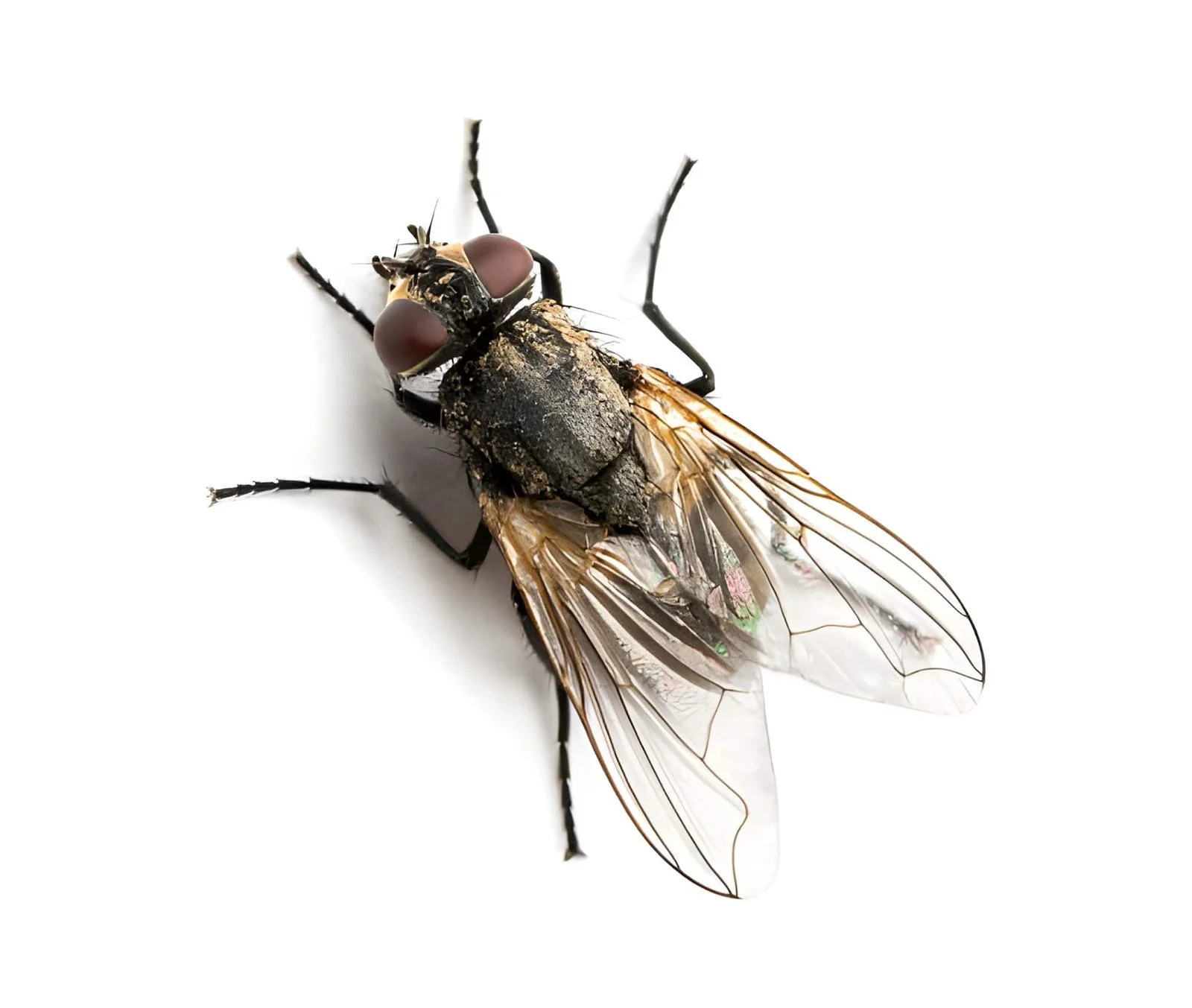
Flies are one of the most visible pests in workplaces. In the UK, office infestations usually involve four common types.
Fruit Flies
The Fruit fly is a tiny fly commonly found around food waste, sugary drinks and fruit. They reproduce extremely quickly, with a life cycle of about 8–10 days, meaning infestations can grow rapidly in kitchens or bins. Fruit flies can spread bacteria associated with food poisoning by landing on food and preparation surfaces.
House Flies
The House fly is one of the most common flies in buildings. A single female can lay up to 500 eggs in her lifetime. House flies often breed in rubbish, waste and organic material before entering buildings. They can spread pathogens linked to salmonella, E. coli and food poisoning.
Fungus Gnats
The Fungus gnat is commonly found around indoor plants and damp soil. Although they do not bite, large numbers can become a nuisance. Their larvae feed on fungi and organic material in moist soil, which is why they often appear in offices with indoor plants.
Blow Flies
The Bluebottle fly, commonly called a blow fly, is larger and louder than most indoor flies. They are attracted to decaying organic material and waste. If these flies appear indoors, it may indicate hidden waste, food contamination or even a dead rodent within the building.
How to prevent flies
Businesses can reduce fly problems by:
Keeping bins sealed and emptied regularly
Installing fly screens on windows
Maintaining clean kitchen areas
Removing food waste quickly
Termites
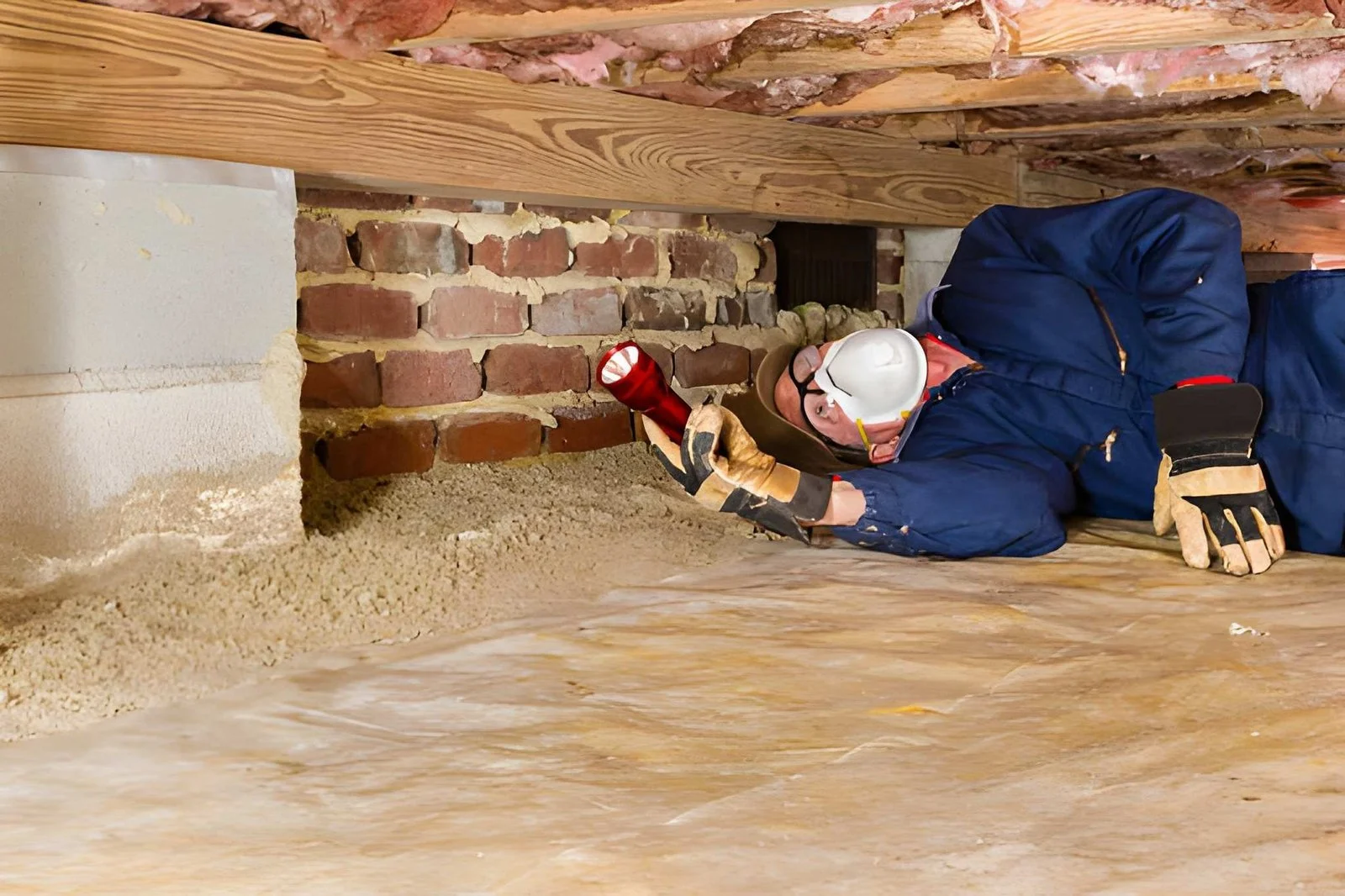
Termites are far less common in the UK than in warmer countries, but they can still occur in rare cases. One species recorded in Britain is the European subterranean termite.
Termites are small insects, typically 3–10 mm long, that feed on wood and other cellulose materials such as cardboard and paper.
Large termite colonies can slowly damage wooden structures, furniture and archives. Because they often live inside walls or wooden beams, damage may go unnoticed until it becomes significant.
Signs of termites include:
Hollow-sounding wood
Mud tubes along walls
Discarded wings from flying termites
Professional inspection is usually required to confirm termite activity.
Dust Mites
Dust mites are microscopic pests commonly found in indoor environments. The most common species in the UK is the European house dust mite.
They are extremely small, around 0.2 to 0.3 mm long meaning they are invisible to the naked eye.
Dust mites feed on dead skin cells and thrive in carpets, upholstery, bedding and soft furnishings.
While they do not bite or spread disease, their waste particles can trigger:
Allergies
Asthma symptoms
Respiratory irritation
Reducing dust mites involves regular vacuuming, cleaning soft surfaces and maintaining good ventilation.
Keep Pests Away for Good
Creating a pest-free workplace starts with vigilance and proactive maintenance. By identifying early warning signs and maintaining high cleaning standards, businesses can prevent infestations before they become a serious problem. A clean and well-maintained office not only protects your property but also supports the health, safety and productivity of your team.
If you want to take control of your office pest situation before it escalates, the team at R3FM is here to help. Our professional pest control and commercial cleaning services are designed to keep your workplace hygienic, compliant and completely pest-free.
Contact R3 FM today for a free quote and ensure your office stays clean, safe and free from unwanted pests.
