Protect Your Workplace: Must know fire safety tips that could save your life
Fire safety in the workplace is one of the most important responsibilities for office managers and building operators. Every year, thousands of workplace fires occur, putting employees, visitors and property at serious risk.
Many fires start from simple hazards such as faulty electrical equipment, unattended appliances, or blocked fire exits. Without proper fire safety procedures, even a small incident can quickly escalate into a major emergency.
For this reason, businesses must prioritise workplace fire safety compliance, ensuring that the right procedures, training and fire safety equipment are in place. In this guide, we’ll cover practical fire prevention tips, essential equipment, and how to create an effective fire evacuation plan for your office.
Fire Risk Assessments
One of the most important steps in building fire safety compliance is conducting a fire risk assessment. In the UK, the Regulatory Reform (Fire Safety) Order 2005 requires businesses to assess and manage fire risks within their premises.
A fire risk assessment evaluates potential hazards within your workplace and helps identify measures to reduce the likelihood of a fire occurring.
Typical elements of a workplace fire risk assessment include:
Identifying potential fire hazards such as electrical equipment or flammable materials.
Assessing who may be at risk, including employees, visitors, and contractors.
Reviewing fire safety procedures and evacuation routes.
Ensuring adequate fire safety equipment is installed and maintained.
If your building already has a fire risk assessment, it is essential to ensure it remains up to date.
Signs Your Fire Risk Assessment Needs Updating
You may need a new fire risk assessment service if:
Your current assessment is more than 12 months old.
Your office layout has changed significantly.
New equipment or machinery has been introduced.
Regular assessments help prevent incidents and ensure your commercial fire safety regulations are being met.
Fire Safety Equipment
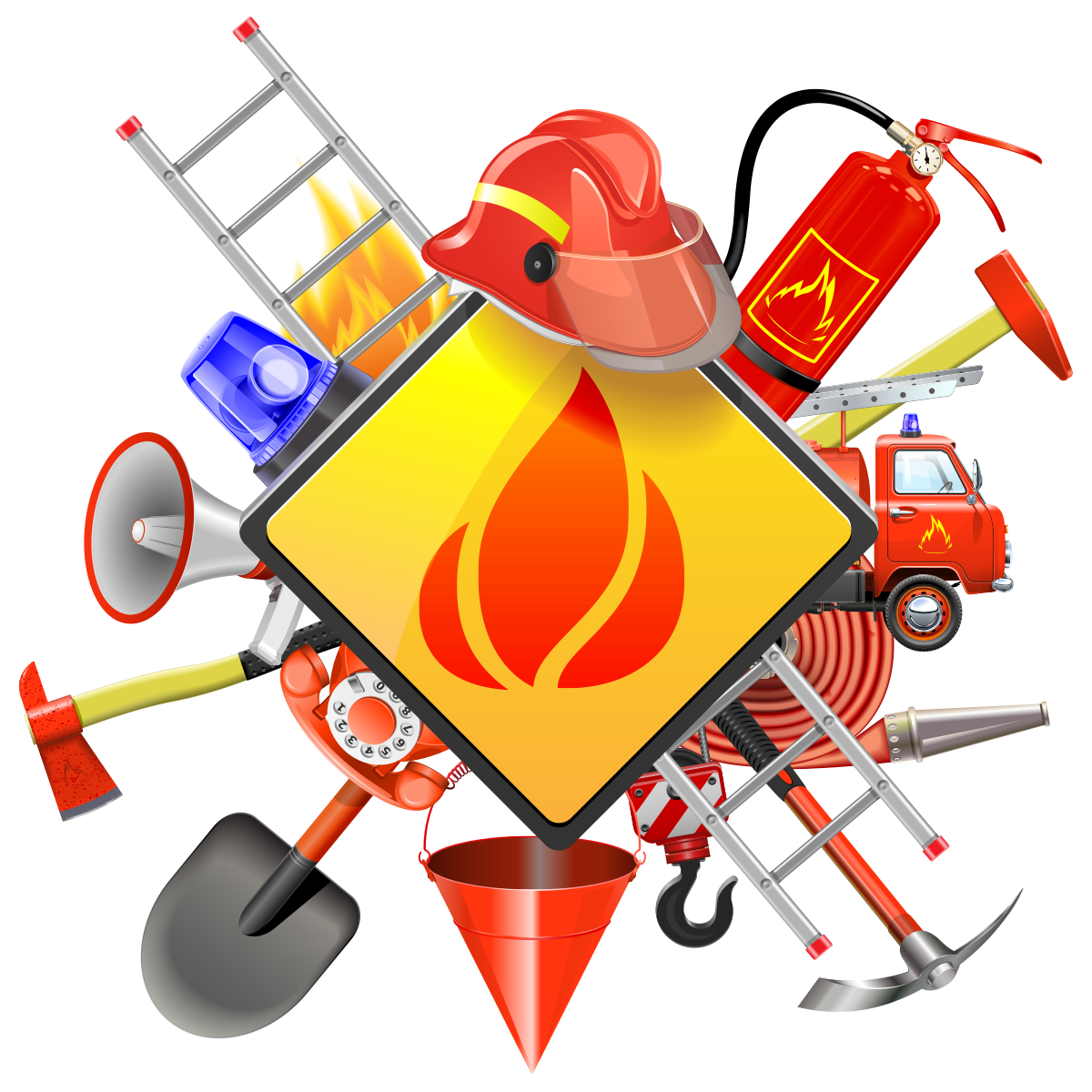
Having the correct fire safety equipment in place is critical for preventing fires from spreading and protecting building occupants.
Your workplace fire safety checklist should include the following systems and tools.
Fire Extinguishers and Fire Blankets
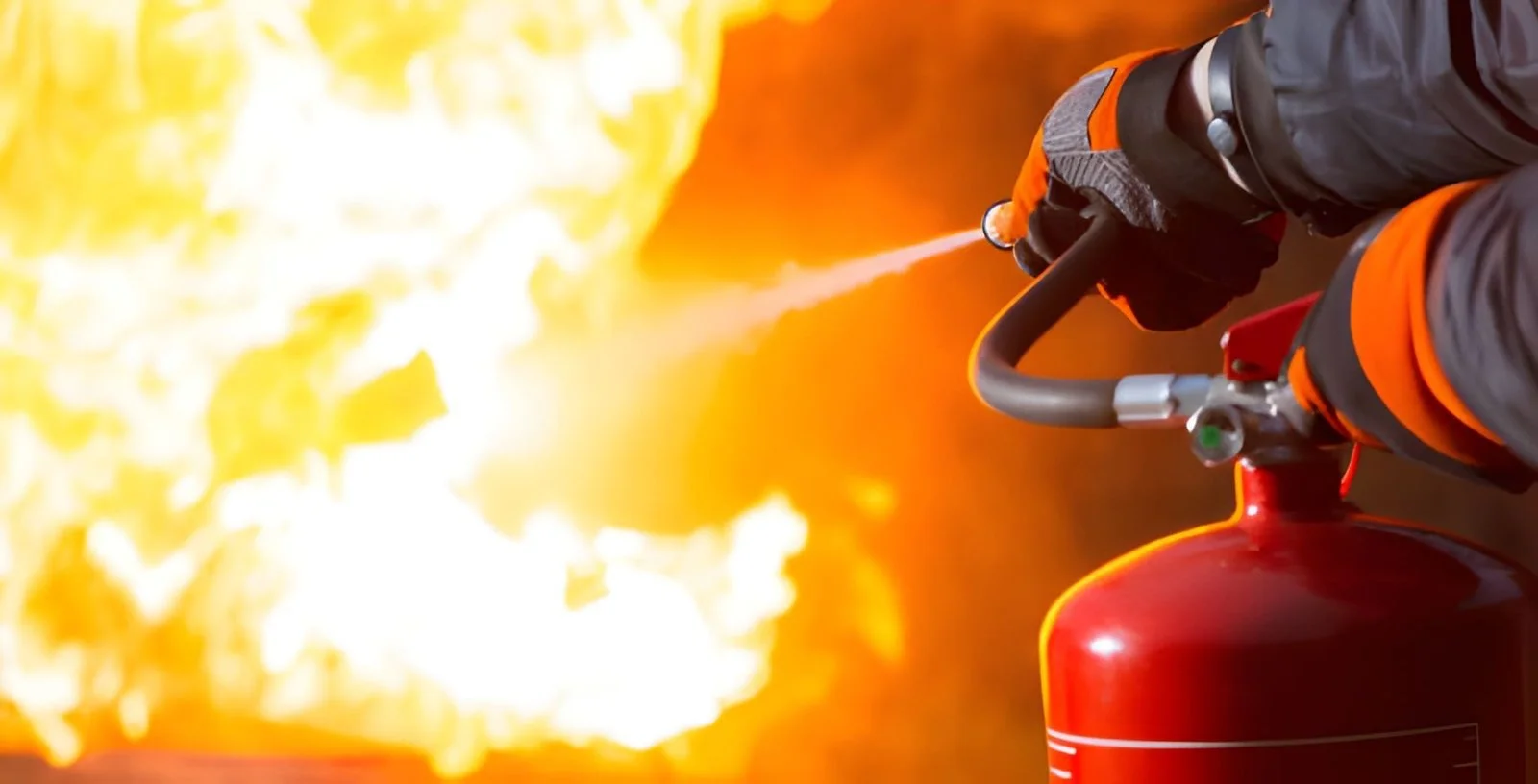
Fire extinguishers and fire blankets are among the most common fire safety tools found in offices. They allow trained staff to control small fires before they spread.
Different extinguishers are designed for different types of fires, such as:
Electrical fires.
Chemical fires.
Flammable liquids.
Gas fires.
Always ensure the correct extinguisher type is installed in the appropriate area.
Signs Your Fire Extinguishers Need Replacing
Fire extinguishers should be inspected regularly. Signs they require attention include:
Visible corrosion, dents or damage.
Pressure gauge showing low pressure.
Equipment older than 10 years.
Missing or damaged safety seals.
Regular servicing ensures they remain effective during emergencies.
Fire Alarms
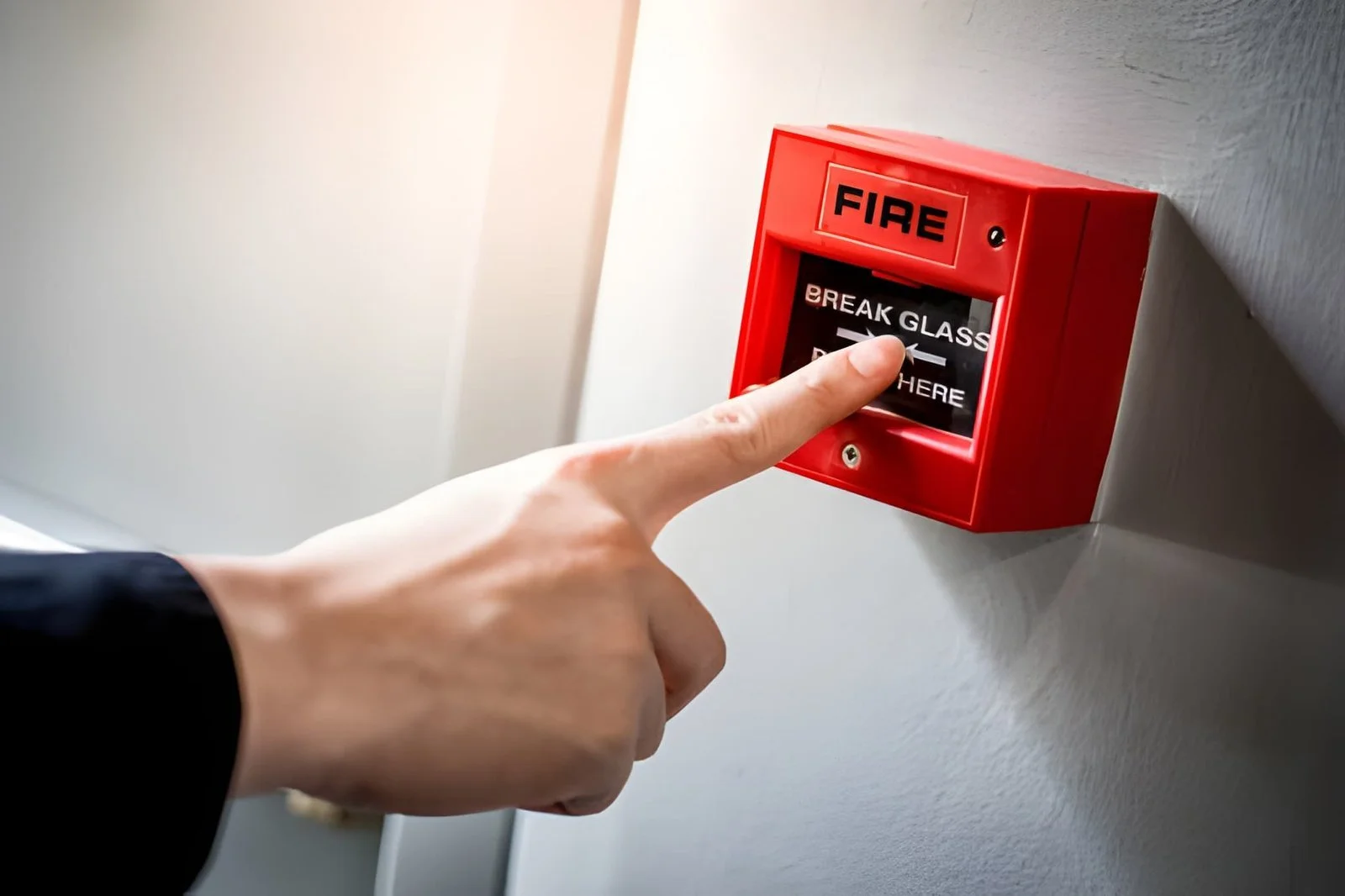
Fire alarms are a crucial part of workplace fire safety procedures because they alert everyone in the building when a fire is detected.
A reliable alarm system should:
Be audible throughout the building.
Include visual alerts for hearing-impaired individuals.
Be tested regularly as part of your fire safety checklist.
Signs Your Fire Alarm Needs Maintenance
You should inspect your system if:
The alarm hasn’t been tested recently.
Warning messages appear on the control panel.
The alarm sounds weak or inconsistent.
Regular testing ensures your team can respond quickly in an emergency.
Emergency Lighting
In the event of a fire, power failures or smoke can make it difficult to navigate corridors or stairwells. Emergency lighting ensures occupants can safely find escape routes during an evacuation.
These lights guide employees toward exits and help maintain calm during emergencies.
Signs Your Emergency Lighting Needs Servicing
Maintenance may be required if:
Lights flicker or appear dim.
Units fail to activate during testing.
Batteries no longer hold a charge.
Routine inspections ensure your building remains compliant with fire safety regulations.
Fire Sprinkler Systems
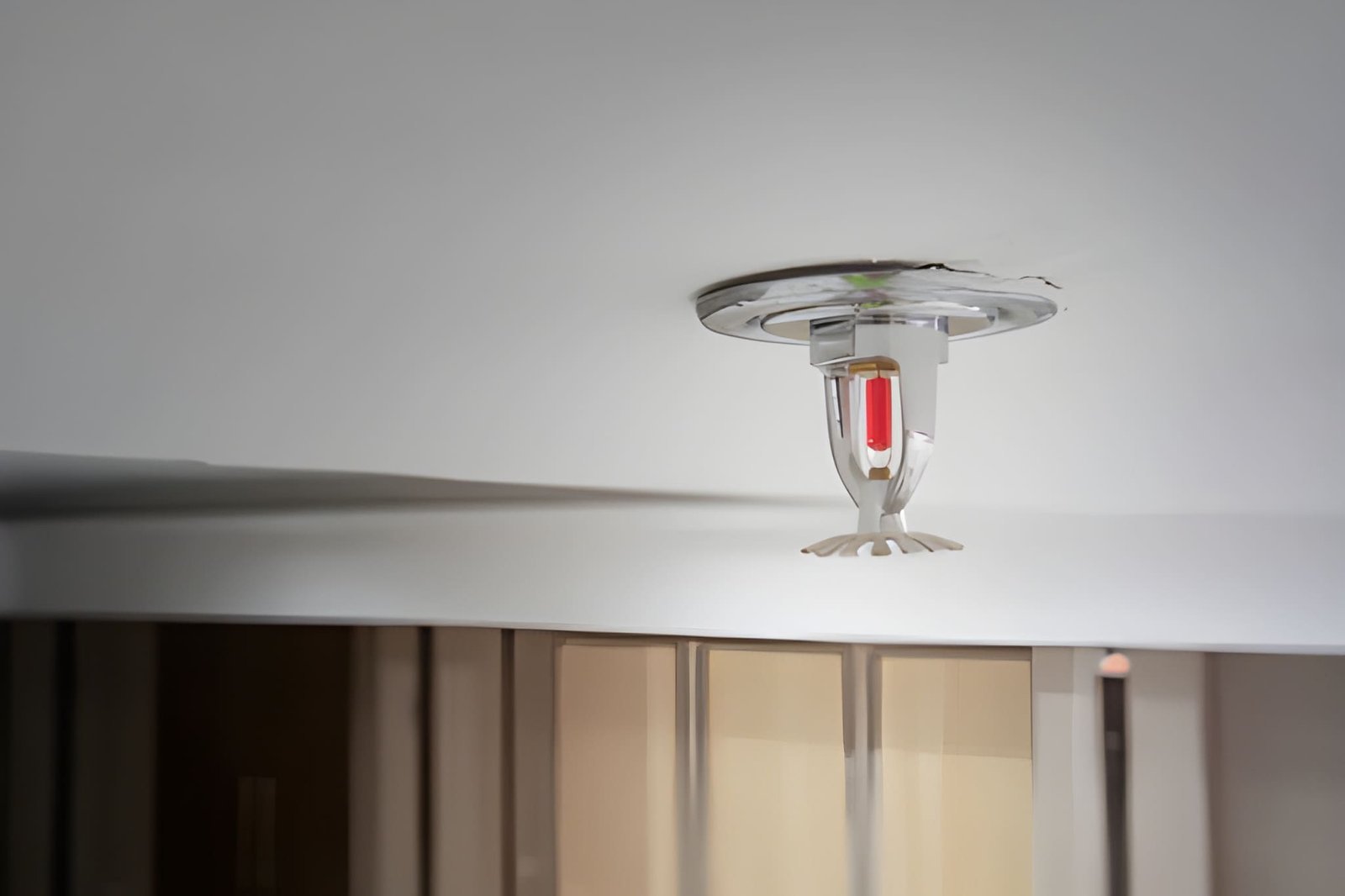
Sprinkler systems are designed to control or extinguish fires automatically. They are especially effective in preventing fires from spreading across large commercial buildings.
These systems are an important part of commercial fire safety management.
Signs Your Sprinkler System Needs Attention
Your sprinkler system should be serviced if:
Annual inspections have not been completed.
Dust or debris is blocking sprinkler heads.
The system shows signs of leaks or corrosion.
Regular maintenance helps protect both occupants and property.
Fire Evacuation Plan

Even with preventative measures in place, businesses must be prepared for emergencies. A clear fire evacuation plan ensures employees know exactly what to do during a fire.
An effective evacuation plan should include:
Clearly marked fire escape routes.
Designated assembly points.
Regular fire drills.
Clear communication procedures.
Practising these procedures reduces panic and improves evacuation times.
Fire Drills
Regular fire drills help employees understand evacuation procedures and respond calmly during emergencies.
Signs Your Fire Drills Need Improvement
Your evacuation process may need reviewing if:
Employees are unsure about exit routes
Staff are unclear about assembly points
Evacuations take too long
Conducting drills regularly helps reinforce fire safety training.
Escape Routes
Escape routes must remain clear at all times so people can exit the building quickly and safely.
Signs Escape Routes Need Attention
Problems may include:
Blocked exits or obstructed corridors.
Poorly marked signage.
Fire doors that are wedged open or damaged.
Maintaining clear routes is essential for effective fire safety procedures.
Assembly Points
Assembly points are designated safe locations where employees gather after leaving the building.
These areas allow managers to confirm that everyone has evacuated safely.
Signs Assembly Points Need Improvement
You may need to review them if:
Staff are unaware of their location.
The area is not clearly marked.
The location poses safety risks.
Accessible and well-communicated assembly points are a key part of any fire evacuation plan.
Fire Safety Checklist for Offices

Maintaining fire safety in the workplace requires ongoing awareness and preparation. Use this simple fire safety checklist to reduce risk in your office environment.
Fire Safety Training
Ensure employees receive fire safety training.
Educate staff on evacuation procedures.
Consult fire safety professionals for guidance.
Electrical Fire Safety
Electrical faults are a leading cause of workplace fires.
To reduce risk:
Avoid overloading electrical sockets.
Replace damaged cables immediately.
Unplug unused electrical equipment.
Schedule regular PAT testing for appliances,
Kitchen Fire Safety
Office kitchens are common fire risk areas.
Improve safety by:
Keeping cooking spaces clean and uncluttered.
Storing flammable items away from heat sources.
Installing fire blankets and extinguishers nearby.
General Workplace Fire Safety
Basic precautions can significantly reduce fire risks:
Keep corridors and exits clear.
Store flammable materials safely.
Enforce no-smoking policies indoors.
Report potential hazards immediately.
Keep Your Workplace Fire Safe
Fire safety is a critical part of protecting your employees, visitors, and property. By keeping your fire risk assessment up to date, maintaining the right fire safety equipment, and ensuring staff understand proper fire safety procedures, you can reduce risks and stay compliant with workplace fire safety regulations. If you need support reviewing your fire safety measures, the team at R3 Facilities Management can help ensure your building remains safe, compliant, and fully prepared.