

Routine Office Cleaning vs Deep Cleaning
When we imagine a workspace at its full potential, especially in high-traffic commercial locations like Manchester, London and Birmingham, cleanliness plays a much bigger role than we often realise. Professional office cleaning helps maintain hygiene across kitchens, cubicles, private offices, restrooms, meeting rooms, and even entryways, all of which contribute to how functional and welcoming a working environment truly is.
The size of your workspace, how often it’s used, and when cleaning takes place all determine the type of service your office needs. In this article, we’ll break down the difference between routine office cleaning and deep cleaning for commercial environments, so you can make the right choice for your business.
What Is Routine Office Cleaning?
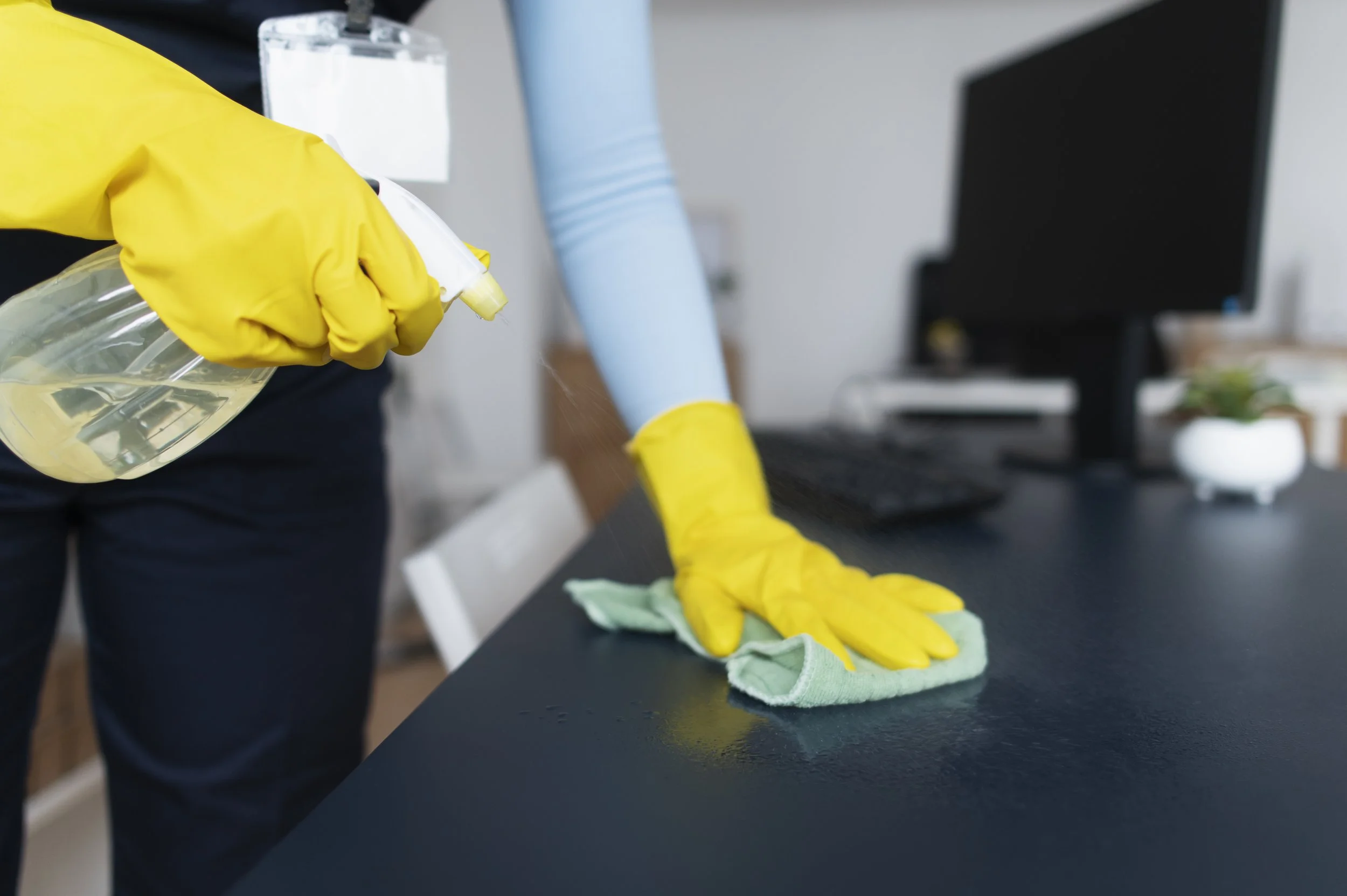
Routine office cleaning is the type of service typically carried out daily or several times a week to maintain the general upkeep and appearance of your workplace. Its main purpose is basic consistency to keep your office presentable, and hygienic on an ongoing basis.
Think of routine office cleaning as the maintenance layer of your cleaning strategy. It focuses on visible areas and frequently used spaces to prevent dirt, dust, and clutter from building up.
What Does Routine Office Cleaning Include?
Emptying bins and waste disposal.
Vacuuming carpets and mopping hard floors.
Wiping desks, tables, and work surfaces.
Dusting shelves and accessible areas.
Cleaning kitchens, break rooms, and sinks.
Cleaning and restocking restrooms.
Sanitising high-touch points such as door handles, light switches, and shared equipments.
Why Does Routine Cleaning Matter?
It helps maintain a professional and organised appearance.
Reduces daily dust, allergens, and surface bacteria.
Creates a comfortable and productive work environment.
Supports employee wellbeing and morale.
Helps prevent the spread of germs and illness.
Tools Needed for Routine Office Cleaning
Microfibre cloths and dusters.
Vacuum cleaners and floor mops.
Multi-surface and disinfectant cleaners.
Bin liners and waste containers.
Gloves and basic PPE.
What Is Deep Office Cleaning?
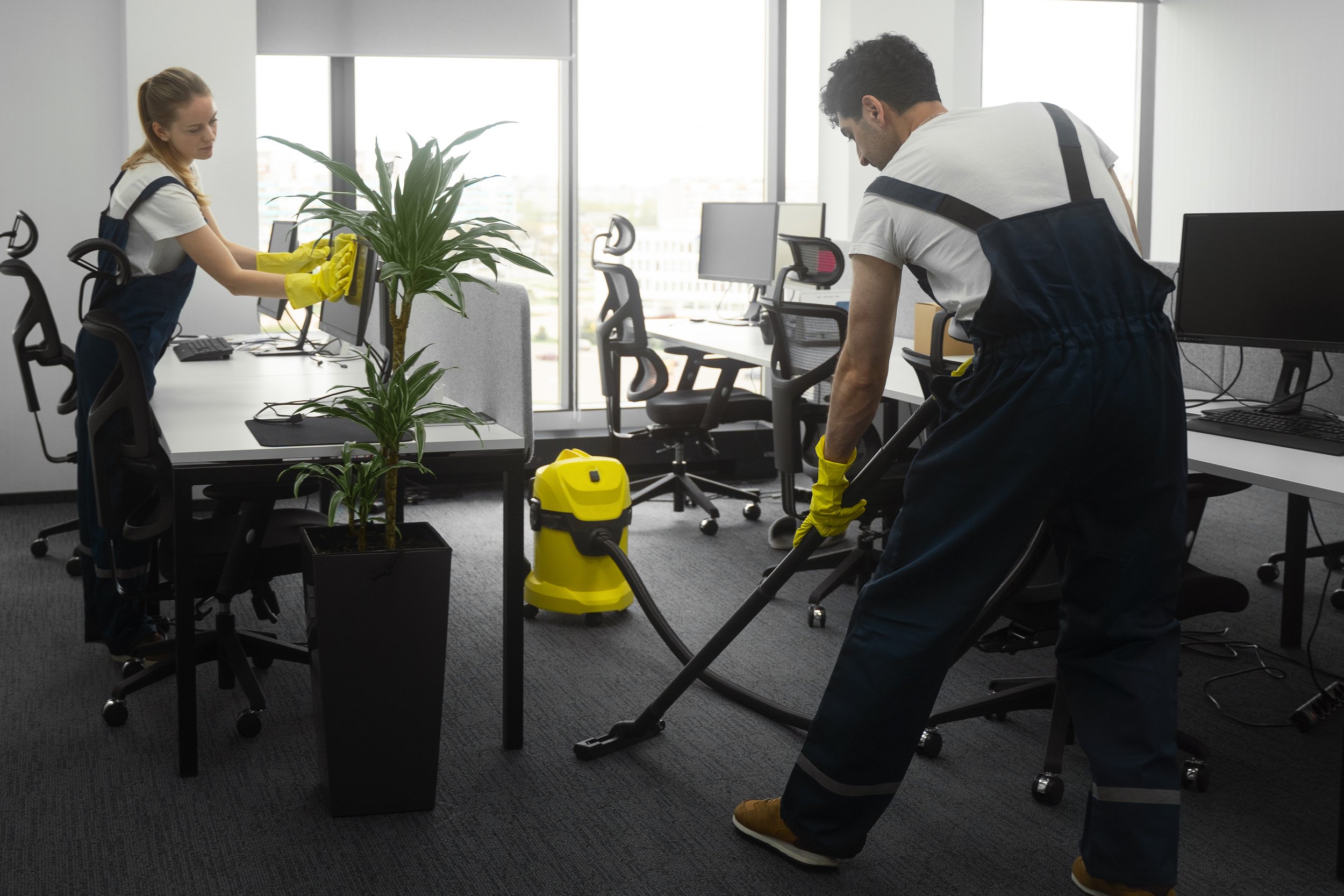
Deep cleaning sits higher in the cleaning hierarchy. As the name suggests, it goes far beyond surface-level, and targets hidden dirt, bacteria, and build-up that routine cleaning doesn’t reach.
Unlike routine cleaning, deep cleaning is time-intensive, often taking several hours or even a full day depending on the size of the space. It’s typically carried out quarterly or periodically, rather than daily.
What Does Deep Office Cleaning Include?
Deep carpet and upholstery cleaning.
Cleaning behind and underneath furniture.
Washing walls, skirting boards, and baseboards.
Detailed restroom sanitation, including tiles and grout.
Disinfecting keyboards, phones, and shared equipment.
Cleaning vents, air ducts, and hard-to-reach areas.
Why Deep Cleaning Is Important
Removes deeply embedded dirt and bacteria.
Improves indoor air quality.
Extends the lifespan of carpets, furniture, and fittings.
Creates a noticeably fresher workspace.
Choosing the Right Commercial Cleaning Company in the UK
Selecting a reliable commercial cleaning provider is crucial for maintaining professional standards across UK workplaces. Here’s what businesses should look for when choosing a commercial cleaning company:
1. Experience in Commercial Spaces
Choose a company with proven experience in UK office environments, including corporate buildings, shared workspaces, and high-traffic commercial sites. Familiarity with UK workplace standards and building layouts is essential.
2. Certified & Trained Staff
Professional cleaners should be fully trained in both routine and deep cleaning services, including correct disinfecting procedures, COSHH compliance, and safe handling of cleaning equipment.
3. Flexible Scheduling
Many UK offices require cleaning outside standard working hours. A reliable provider should offer early morning, evening, or weekend cleaning to avoid disrupting daily operations.
4. Use of Eco-Friendly Cleaning Products
Environmentally responsible cleaning products help protect employees, visitors, and the wider environment while still delivering effective sanitation. Green cleaning is increasingly important for UK businesses.
5. Transparent Pricing
Look for clear and upfront pricing for both routine office cleaning and deep cleaning services. Transparent quotes help businesses budget accurately and avoid unexpected costs.
Combining Routine & Deep Cleaning for Optimal Results
For UK businesses, the most effective approach is a hybrid cleaning schedule that combines routine maintenance with periodic deep cleaning:
Daily or Weekly Routine Cleaning Includes:
Vacuuming carpets and mopping hard floors
Dusting desks and shared surfaces
Emptying bins and waste disposal
Cleaning kitchens and rest areas
Restroom cleaning and restocking
Monthly or Quarterly Deep Cleaning Includes:
Carpet shampooing and upholstery cleaning
Internal window and glass cleaning
Floor scrubbing and polishing
Cleaning HVAC vents and hard-to-reach areas
Disinfecting high-touch points and shared equipment
This balanced approach ensures your office remains presentable for clients and staff while maintaining a hygienic, compliant working environment.
Conclusion
Maintaining a clean and sanitary office is essential for businesses across the UK, particularly in high-traffic commercial locations. While routine office cleaning keeps your workspace organised and professional on a day-to-day basis, deep cleaning is critical for long-term hygiene, safety, and asset maintenance.
Frequently Asked Questions
-
Yes. Routine cleaning maintains cleanliness, but over time dirt and bacteria build up in areas that aren’t cleaned daily. Deep cleaning ensures your office remains hygienic in the long term.
-
Deep cleaning usually takes longer than routine cleaning, so it’s often scheduled after hours, on weekends, or during low-activity periods to minimise disruption.
-
This depends on office size, foot traffic, and usage. Most commercial offices benefit from deep cleaning every 3–6 months, while high-traffic spaces may require it more frequently
-
Yes, because it requires specialised equipment, more labour, and additional time. However, it helps reduce long-term costs by preserving office assets and improving hygiene.
-
For best results, routine and deep cleaning should work together. Routine cleaning keeps your office presentable day to day, while deep cleaning ensures a healthier and more thorough clean over time.
