

How Poor Office Cleaning Increases Sick Days and Absenteeism
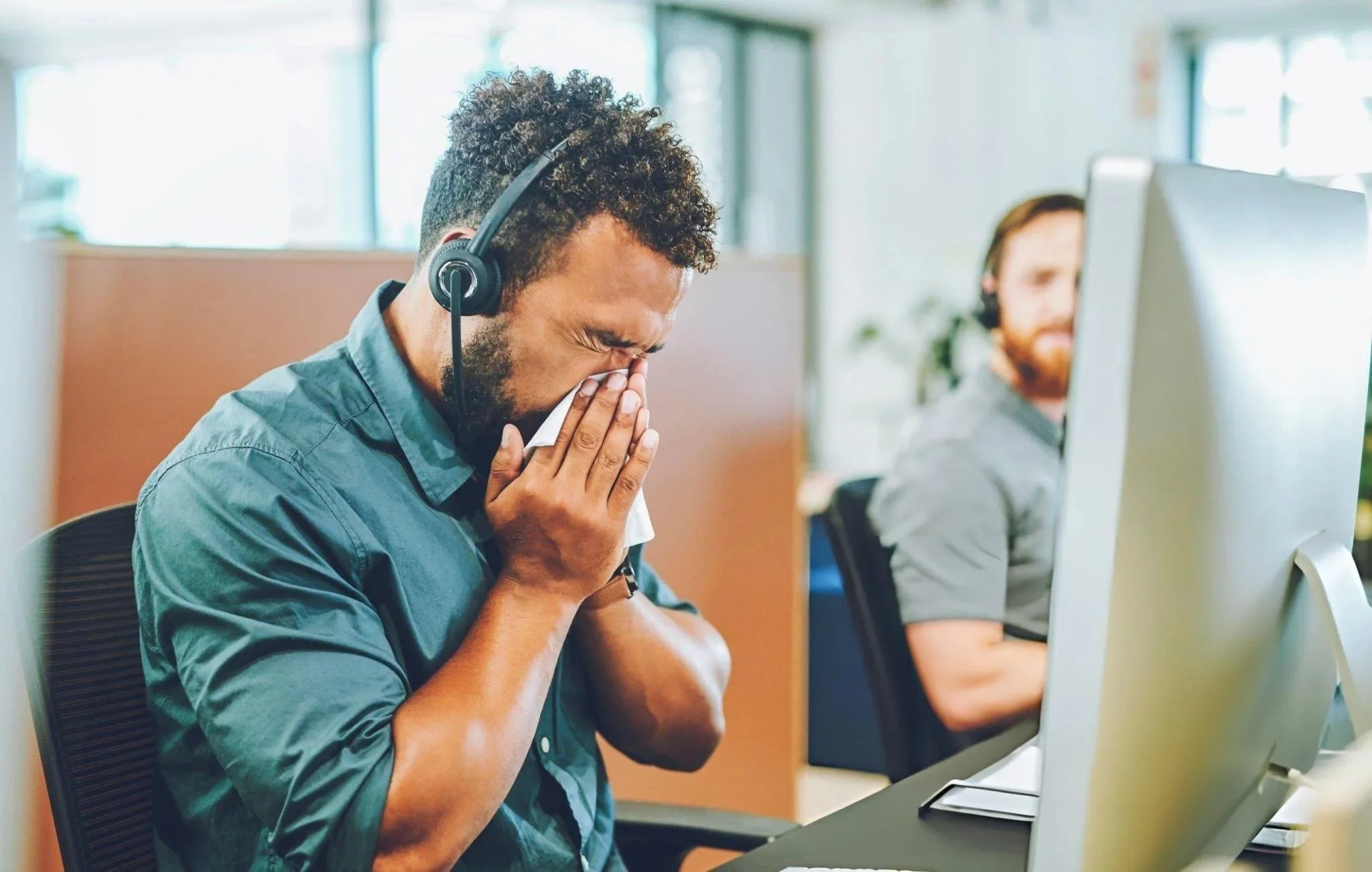
Increasing productivity is central to sustaining long-term business development, and that responsibility ultimately rests on one of the most valuable assets of any organisation: its employees. A decline in staff health leads directly to a drop in productivity, affecting both the business and its people. This is often preventable when organisations recognise that effective office cleaning is an operational strategy that should be a priority for any business looking to scale within its sector.
Poor office cleaning standards allow bacteria, dust, and viruses to spread across shared workspaces, increasing the likelihood of illness and staff absence. As a result, poor office cleaning practices directly contribute to higher absenteeism and avoidable productivity losses. In contrast, a proactive approach to workplace hygiene forms a practical business growth strategy that protects workforce capacity and ensures operational continuity.
The Link Between Poor Cleaning and Workplace Illness
Offices are high-traffic environments where employees regularly share workstations, equipment, and communal spaces. Desks, keyboards, phones, door handles, and meeting room surfaces are touched repeatedly throughout the day, making them prime locations for the spread of bacteria and viruses. Without regular and thorough cleaning, these high-touch areas become reservoirs for pathogens that cause common illnesses such as colds, flu, and other respiratory infections.
In workplaces where cleaning is inconsistent or limited to surface-level tasks, germs circulate more easily between employees. This leads to repeated short-term sickness, where illnesses move quickly through teams and departments. Over time, these patterns result in increased absenteeism that disrupts workflows and weakens overall productivity.
Absenteeism as a Business Risk
Sick leave is often treated as an unavoidable cost of doing business, yet much of it is preventable. Illness-related absenteeism reduces output, and places additional pressure on healthy employees who are required to cover absent colleagues. This can lead to fatigue, lower morale, and a higher risk of further absences.
Beyond the immediate loss of working hours, absenteeism creates indirect costs through overtime payments, temporary staffing, and management time spent reorganising workloads. When these disruptions become frequent, they undermine consistency and make sustained performance difficult. Poor office cleaning plays a significant role in this cycle by increasing exposure to health risks that could otherwise be controlled.
Indoor Air Quality and Repeated Sick Days
The impact of poor cleaning extends beyond visible surfaces. Indoor air quality is a critical factor in employee health and is often overlooked. Dust, allergens, mould spores, and chemical residues can accumulate in carpets, upholstery, and ventilation systems when cleaning is inadequate. Poor air quality contributes to headaches, fatigue, respiratory irritation, and allergy symptoms, all of which increase the likelihood of employees taking sick leave.
Employees working in environments with persistent air quality issues are also more likely to experience difficulty concentrating and reduced cognitive performance. Over time, this leads to more absences, and lower productivity while employees are at work.
A report by the Journal of Occupational and Environmental Hygiene noted that HEPA filters and regular cleaning reduced airborne allergens by up to 70%, leading to fewer respiratory issues.
Presenteeism and the Spread of Germs
Poor cleaning also contributes to presenteeism, where employees attend work despite being unwell. In environments where hygiene standards are visibly low, illnesses spread more rapidly, turning one sick employee into multiple absences over a short period. Presenteeism is often more damaging than isolated sick days because it accelerates transmission and prolongs disruption across teams.
A clean, well-maintained workplace reduces this risk by limiting the environmental factors that allow illnesses to spread, protecting both attendance and performance.
Cleaning as a Business Growth Strategy
Organisations focused on long-term performance increasingly recognise that workforce health underpins sustainable growth. When office cleaning is aligned with operational planning, it becomes a business growth strategy rather than a reactive expense. Regular, professional cleaning reduces sick days, stabilises productivity, and supports consistent output.
By investing in effective cleaning routines, businesses protect their employees, reduce avoidable disruptions, and create environments where teams can perform reliably. This stability is essential for maintaining momentum, meeting targets, and supporting long-term development.
Common Mistakes in Office Cleaning Approaches
Many businesses underestimate the importance of cleaning frequency and focus. Infrequent cleaning, lack of attention to high-touch areas, and failure to adjust routines during peak illness seasons all increase health risks. Without structured schedules or performance monitoring, cleaning efforts often fail to deliver meaningful health outcomes.
What an Effective Cleaning Strategy Looks Like
By focusing on high-risk areas and implementing structured protocols, businesses can create a safer, healthier, and more confident work environment. Here’s how to ensure your cleaning strategy is truly effective:
Prioritise high-touch surface sanitation.
Implement regular deep cleaning.
Manage and improve indoor air quality.
Increase cleaning frequency during high illness-risk periods (e.g., flu season).
Maintain visible cleaning standards to employees.
Ensure cleaning is consistent, targeted, and professionally managed.
Deliver measurable improvements in attendance and employee wellbeing.
Reduce sick days, boost productivity, and safeguard your workforce, partner with R3FM for professional office cleaning and make workplace hygiene a key part of your business growth strategy.
