

Sound Like an Expert: Ask these Questions Before Hiring an office Cleaner
Office cleaning is a service rarely noticed for its effectiveness when done consistently, yet, instantly visible when its no longer up to standard.
When you are managing an organisation’s space, your cleaning provider directly affects hygiene standards, staff wellbeing, client perception, and even risk exposure. And like most service industries, commercial cleaning has exceptional providers alongside those that overpromise and underdeliver.
Choosing wisely starts long before signing a contract, It starts with asking better questions.
Rather than relying on generic checklists, here’s a practical procurement-focused guide to evaluating a commercial cleaning partner.
Does Their Service Actually Match Your Environment?
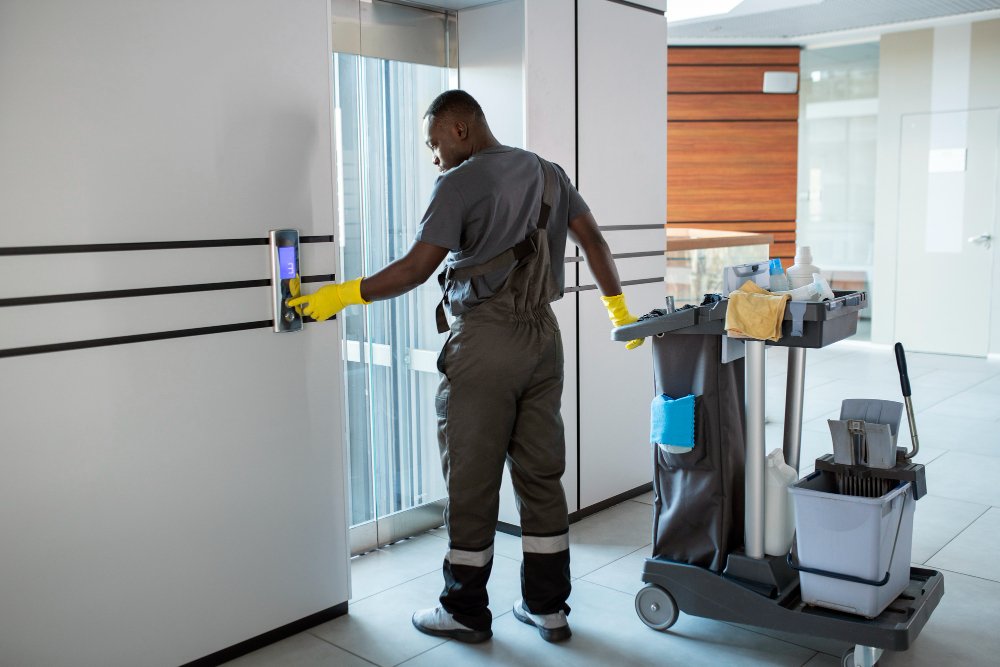
Full disclosure, Not all cleaning companies are built the same.
Many providers will confidently claim they can resolve your cleaning challenges, yet capability and suitability are not always aligned. To avoid costly mismatches, ensure your service provider is genuinely equipped to manage your type of workspace.
Some companies specialise in residential properties, others in offices, and others in highly regulated environments such as healthcare facilities, educational settings, or industrial spaces. A provider experienced in domestic cleaning, for instance, may not be prepared for the intensity, or attention to detail demanded in a medical environment.
Clarify early:
Do you specialise in office cleaning?
What types of facilities do you regularly service?
Do you have experience with environments similar to ours?
What Is Included in the Cleaning Package?

One of the most common causes of dissatisfaction is assumption.
“Office cleaning” can mean very different things depending on scope, frequency, and contract structure. Being precise with expectations prevents misalignment later.
Always seek clarity:
“Can you outline exactly what is included, and what is not?”
This is where many service relationships either stabilise or begin to drift.
For example:
Basic vacuuming may be included
Specialist equipment and no provides the cleaning products
Deep cleaning may sit outside the standard contract
Certain surfaces may require separate treatments.
The specific areas which would be covered in the cleaning, they may cover just bathrooms and not sinks and floor.
Deep cleaning, for instance, is typically periodic rather than daily, often recommended every 3–6 months depending on foot traffic and operational use.
Understanding these distinctions reduces the risk of:
Inflated expectations
Scope disputes
Unexpected charges
Pricing Makes More Sense When You Understand the Structure
Cost discussions are more productive when framed around structure rather than figures alone.
Instead of focusing solely on the quote, ask:
“How is your pricing model designed?”
Commercial office cleaning services may be priced:
Hourly
Fixed monthly contracts
By square footage
By service tier
Unexpected charges rarely feel unexpected when the pricing framework is understood from the outset.
Who Will Actually Be in Your Building?

An office cleaning contract is ultimately about people.
Cleaning teams operate within your workplace, often outside business hours and sometimes within sensitive or restricted areas. Knowing who is entering your premises is both a security and quality consideration.
Useful clarifications include:
Are cleaners employed or subcontracted?
Are staff trained and supervised?
Are background checks conducted?
Will we have a consistent team?
For UK-based providers, you may also enquire about:
DBS checks (Disclosure and Barring Service)
Industry training certifications
Length of staff tenure
Can You Contact Them?
Accessibility is practical, yet frequently overlooked.
The ability to quickly reach decision-makers or supervisors becomes critical when adjustments, concerns, or urgent requirements arise.
Verify:
Working phone number
Professional email address
Active website
Verifiable business presence on social media or directories like Gov.uk
What Do Other Clients Say?

Reputation remains one of the strongest indicators of reliability.
Rather than looking for perfection, look for consistent patterns.
Review:
Client testimonials
Case studies
Independent reviews
Social presence
Conclusion
These questions are a good way to start your search for a commercial cleaning company that will be so consistently good that you can come to expect it every day. If you’re ready to ask your questions, we’d love to answer them. Request a quote here today.
