

Cleaning Products You Should Stop Mixing
A small cup of bleach mixed with just a few drops of an acidic cleaner is enough to create chlorine gas, which is how easily a cleaning space can become a World War 1 battlefield.
Cleaning can feel exciting, and mixing a couple of products together seems harmless and effective, especially when you’re trying to eliminate stubborn stains or make white surfaces much whiter. However, trying to play chemist with everyday cleaners often causes more harm than good. A common mistake people make in cleaning is ignoring the potency of cleaning products. Remember that tightness you once felt in your chest after some minutes of mixing a bathroom cleaner with bleach, and you could barely breathe? Yeah, that burning sensation was probably from chlorine gas.
Most people don’t realise that many everyday cleaning products contain ingredients like acids, ammonia, peroxides, alcohol, and other reactive chemicals, which can become dangerous when combined. But you are smart for being here because in this article R3 Cleaning Services breaks down 6 cleaning product combinations you should never mix, why they react the way they do, and what you should use instead to stay safe while still cleaning.
1. Toilet Bowl Cleaner and Bleach
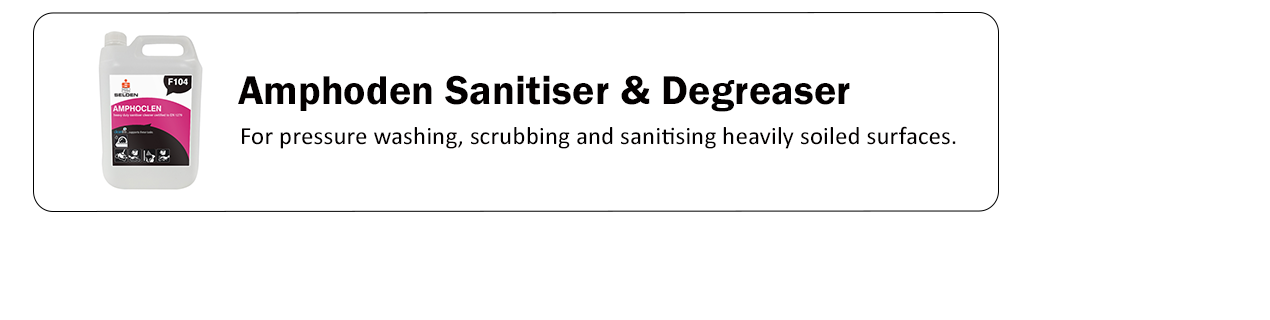
Mixing toilet bowl cleaners with bleach is one of the most common mistakes people make in household and commercial cleaning. Many toilet cleaners contain hydrochloric acid and when mixed with bleach, chlorine gas forms. This can cause a burning sensation in your eyes and throat, coughing and chest tightness, trouble breathing, and severe irritation to skin and nose, which can be dangerous for people suffering from asthma. Many blue gel cleaners, descalers, and heavy-duty limescale removers fall into this acidic category. A good substitute instead of combining these products would be to use degreasers.
Degreasers are alkaline cleaners that contain Sodium carbonate, Potassium hydroxide, Surfactants and are effective in breaking down organic dirt like soap scum, grease, and body oils extremely well.
Our top pick is;
2. Bleach and Ammonia
Another dangerous mix is bleach and ammonia. Ammonia is found in window cleaners, multipurpose sprays, and floor cleaners. The moment bleach reacts with ammonia, it forms chloramines, which can burn the respiratory tract and cause chest tightness and coughing, Simply put, inhaling chloramines causes chest pains and shortness of breath. Rather than mixing by accident, choose ammonia-free glass cleaners or rely on dish soap and warm water for everyday cleaning, then disinfect with bleach separately if needed. A good product choice over this concoction depends on what you want to clean for;
Whitening + Disinfecting
Use bleach alone + a separate alkaline cleaner.
Our top alkaline cleaner is;

For Heavy degreasing
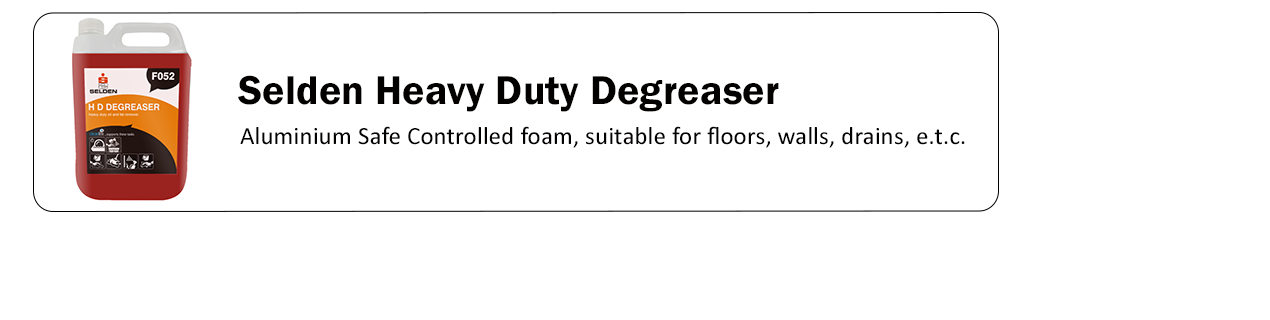
Use an aluminium safe degreaser, then followed by bleach after the area is rinsed.
Our pick is;
For Glass & Mirror Cleaning
Use a glass cleaner.
Our top pick is;

3. Bleach and Vinegar
People often assume that bleach and vinegar work well together because both are strong cleaners, but this pairing produces chlorine gas. Vinegar, descalers, tile sprays, and many “green” cleaners are acidic enough to trigger the reaction. If you want to disinfect and dissolve mineral buildup, alternate the products with a rinse between uses, or use an oxygen-based cleaner that can safely do both tasks.
4. Bleach and Rubbing Alcohol
Bleach mixed with rubbing alcohol creates chloroform and hydrochloric acid. Alcohol is present in disinfecting wipes, stainless steel sprays, kitchen cleaners, and glass cleaners. Many people unintentionally overlap these products. Instead, stick to either alcohol-based cleaners or bleach-based disinfectants, but avoid layering both on the same surface.
5. Bleach and Drain Cleaner
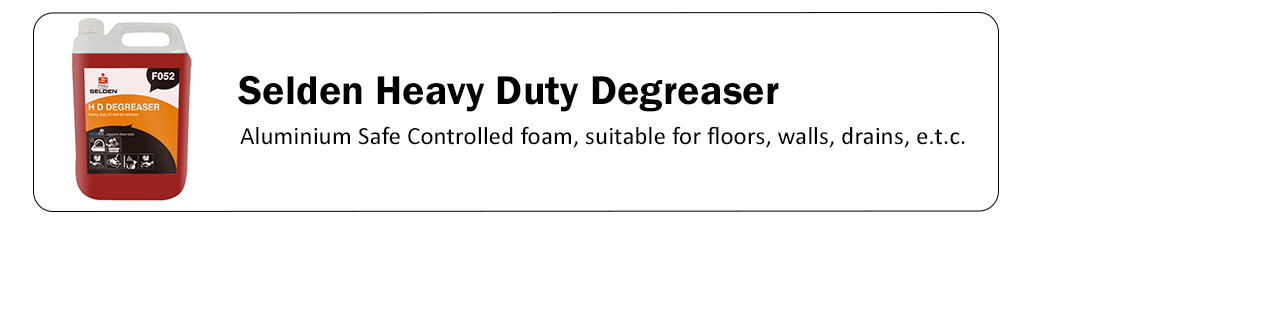
We can sense a theme here, which is to stop mixing bleach with most cleaning products and that includes drain cleaners. Drain cleaner is a cleaning product that contains sodium hydroxide (lye), and when this strong alkali reacts with bleach, it releases toxic fumes and heat. Gel drains openers and caustic de-greasers fall into this category. For deodorising or sanitising drains, use boiling water, enzyme-based drain cleaners, or a vinegar-and-baking-soda sequence instead of adding bleach.
Our top product pick is;

6. Hydrogen Peroxide and Vinegar
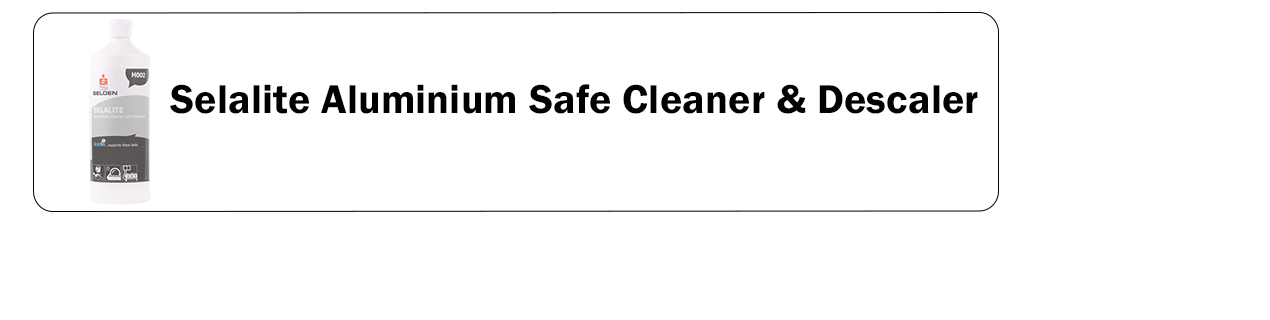
Let’s break the cycle for a moment and talk about hydrogen peroxide and vinegar. This mixture may seem harmless individually, but when applied back-to-back on a surface, they create peracetic acid. This compound is corrosive and irritating to the skin, throat, and eyes. Peroxide appears in multi-purpose sprays, bathroom cleaners, and laundry boosters. If you need both disinfecting and descaling, either rinse thoroughly between steps or switch to an all-in-one oxygen cleaner for a safer approach.
Our top product pick is;
It’s imperative that when cleaning, you always prioritise your safety. Mixing products for a stronger effect might seem like a clever shortcut, but it can expose you to toxic gases, corrosive reactions, and long-term respiratory harm. Every cleaner is already formulated to work at its intended strength, and R3 has in store some of the best cleaning products that work as powerful as mixing.
